Presidential

Why Did President Ruto Skip Campaigning for UDA in Mbeere and Malava?

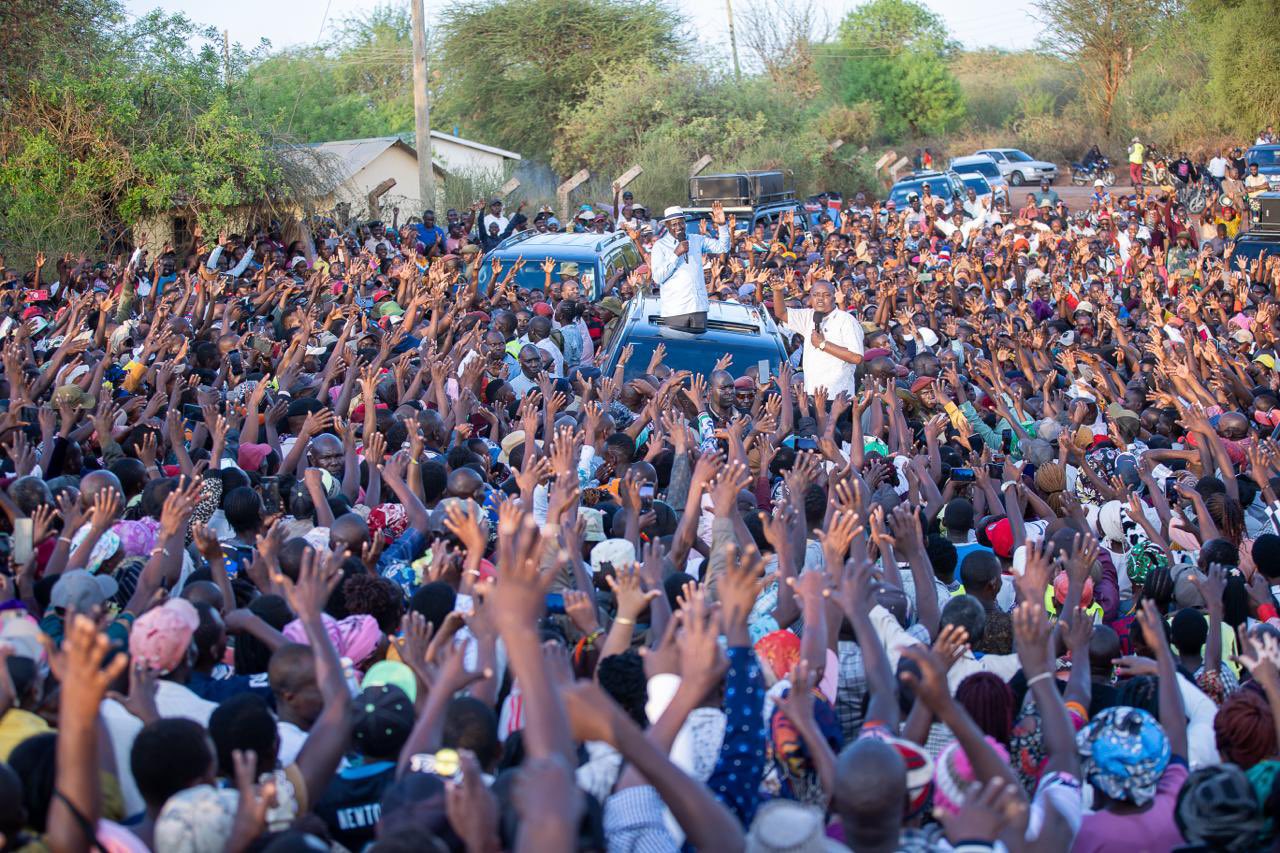
President William Ruto is known for his energetic, hands-on approach to politics. He is often seen on the campaign trail, rallying support for his United Democratic Alliance (UDA) party. So, when recent by-elections took place in Malava and Mbeere North, many were surprised that the President did not personally campaign for the UDA candidates.

This decision has sparked a lot of discussion. Why would the party leader stay away from such important contests? Here are the key reasons believed to be behind his strategic absence.

  1. Testing the Strength of His Lieutenants

One major reason was to test the influence and capability of his top allies. In Malava, Prime Cabinet Secretary Musalia Mudavadi was the lead campaigner. In Mbeere North, Interior Cabinet Secretary Kithure Kindiki took charge.

By placing them in the forefront, President Ruto wanted to see if these powerful leaders could successfully rally voters and deliver a win for UDA on their own. It was a test of their political strength and their loyalty to the party, not just the President’s personal popularity. The question was: Can Mudavadi and Kindiki secure victory for UDA even when Ruto is not on the stage?

  1. A Strategic Move to Avoid a Political Embarrassment

According to political insiders, the National Intelligence Service (NIS) may have advised the President against campaigning. The intelligence reports allegedly suggested that the races in Malava and Mbeere North were highly competitive and there was a real risk of UDA losing.

For a sitting President, campaigning in a local election and then losing can be a major political embarrassment. It makes the leader look weak and can be used by opponents to mock him. By staying away, President Ruto avoided the direct risk of being seen as a “laughing stock” if the UDA candidates had lost.

  1. Testing the UDA Campaign Machinery

A political party is strong when its structures work effectively without relying solely on one person. President Ruto’s absence was a deliberate test of the UDA’s grassroots campaign machinery.

He wanted to know: Is our party structure strong enough to win elections based on our development record and local organizers? Can the UDA machine get out the vote even when the party leader is not physically present to energize the crowd? The results in these by-elections would give him a clear picture of the party’s health on the ground.
President William Ruto is known for his energetic, hands-on approach to politics. He is often seen on the campaign trail, rallying support for his United Democratic Alliance (UDA) party. So, when recent by-elections took place in Malava and Mbeere North, many were surprised that the President did not personally campaign for the UDA candidates. This decision has sparked a lot of discussion. Why would the party leader stay away from such important contests? Here are the key reasons believed to be behind his strategic absence. Testing the Strength of His Lieutenants One major reason was to test the influence and capability of his top allies. In Malava, Prime Cabinet Secretary Musalia Mudavadi was the lead campaigner. In Mbeere North, Interior Cabinet Secretary Kithure Kindiki took charge. By placing them in the forefront, President Ruto wanted to see if these powerful leaders could successfully rally voters and deliver a win for UDA on their own. It was a test of their political strength and their loyalty to the party, not just the President's personal popularity. The question was: Can Mudavadi and Kindiki secure victory for UDA even when Ruto is not on the stage? A Strategic Move to Avoid a Political Embarrassment According to political insiders, the National Intelligence Service (NIS) may have advised the President against campaigning. The intelligence reports allegedly suggested that the races in Malava and Mbeere North were highly competitive and there was a real risk of UDA losing. For a sitting President, campaigning in a local election and then losing can be a major political embarrassment. It makes the leader look weak and can be used by opponents to mock him. By staying away, President Ruto avoided the direct risk of being seen as a "laughing stock" if the UDA candidates had lost. Testing the UDA Campaign Machinery A political party is strong when its structures work effectively without relying solely on one person. President Ruto’s absence was a deliberate test of the UDA’s grassroots campaign machinery. He wanted to know: Is our party structure strong enough to win elections based on our development record and local organizers? Can the UDA machine get out the vote even when the party leader is not physically present to energize the crowd? The results in these by-elections would give him a clear picture of the party's health on the ground. Conclusion In politics, what a leader doesn't do can be just as important as what they do. President Ruto's decision not to campaign in Malava and Mbeere North was not a sign of lack of interest, but a calculated political strategy. It was a move designed to test his allies, protect his own political image, evaluate his party's strength, and navigate the complex internal politics within his government. The outcomes of these by-elections have given him valuable data for his future political decisions.

Conclusion

In politics, what a leader doesn’t do can be just as important as what they do. President Ruto’s decision not to campaign in Malava and Mbeere North was not a sign of lack of interest, but a calculated political strategy. It was a move designed to test his allies, protect his own political image, evaluate his party’s strength, and navigate the complex internal politics within his government. The outcomes of these by-elections have given him valuable data for his future political decisions.
Related Articles

Leave a Reply

Your email address will not be published. Required fields are marked *

Back to top button