
“The Police Should Not Be the Ones Injuring Us” — Gachagua’s Bold Message to Kenyans
Former Deputy President Rigathi Gachagua has spoken out strongly about police conduct during public meetings, reminding authorities that Kenyans have constitutional rights that must be respected.
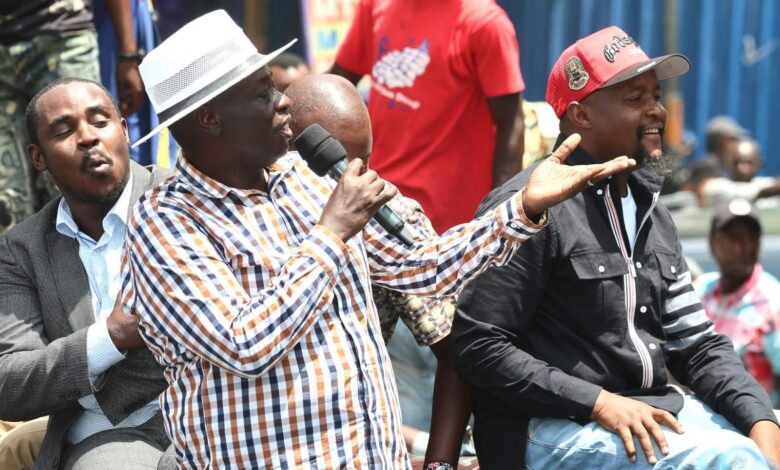
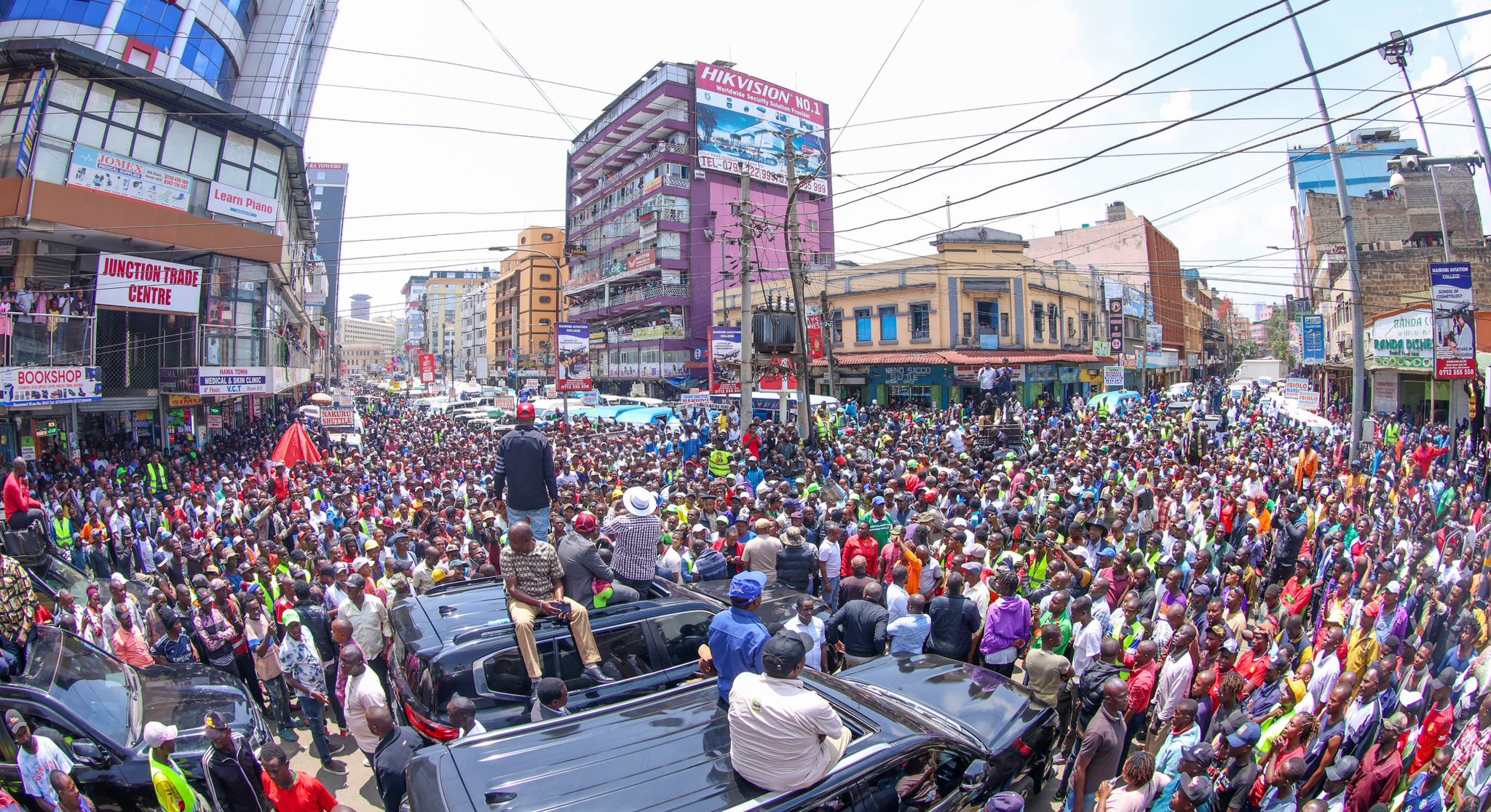
In a recent statement, the former Deputy President Rigathi Gachagua raised serious concerns about how police handle public gatherings. He emphasized that “The people of Kenya have a constitutional right to assemble, associate and choose the political formation of their choice” . This reminder comes after his convoy was blocked from entering Nakuru County while heading to address residents at Kinamba Trading Centre .
Gachagua pointed out a major contradiction: police officers who are supposed to protect citizens from harm should not be the ones causing injuries. He specifically mentioned that officers masked their faces and harassed members of the public for over an hour before crowds gathered and demanded the roadblock be removed .
The Constitutional Rights Every Kenyan Should Know
Let’s break this down simply. Article 37 of the Kenyan Constitution guarantees every person the right to peacefully and unarmed assemble, demonstrate, picket, and present petitions to public authorities . This is not a privilege it is your constitutional right.
The Kenya National Commission on Human Rights explains that the State must facilitate everyone exercising this right without favor or discrimination . This includes providing adequate security for all during such gatherings. When police block meetings or harass citizens, they violate these constitutional protections.
What the Law Says About Police Conduct
There are clear rules about how police should behave. The National Police Service Act requires officers to attempt non-violent means first and use force only when absolutely necessary . Any force used must be proportional to the situation.
In July 2025, Interior Cabinet Secretary Kipchumba Murkomen issued a new policy directive on use of force, emphasizing that force must never be used as extrajudicial punishment . The policy states that officers may only use force in self-defence or defending others against imminent threat of death or serious injury .
Why This Matters for Ordinary Kenyans
When a leader’s convoy is blocked or public meetings disrupted, it affects more than just politicians it affects ordinary citizens who want to participate in political activities. Gachagua claimed that junior officers have privately complained about being used for “political work” while crime levels rise in their areas .
The Law Society of Kenya has condemned incidents where police used teargas against church-goers, including children, calling such actions violations of constitutional principles . This shows that police conduct affects everyday Kenyans from all walks of life.
Balancing Rights and Responsibilities
It is important to understand that the right to assemble is not absolute. Under Article 24 of the Constitution, rights can be limited when reasonable and justifiable in an open democratic society . The Public Order Act requires organizers to give police notice before public meetings .
However, notice requirements should facilitate peaceful assemblies not prevent them. As Justice Onguto stated in a 2016 court ruling, the Public Order Act should preserve and protect the right to public assembly by regulating it, not blocking it .
Moving Forward: What Kenyans Should Expect
The Kenya National Commission on Human Rights calls on police to observe the Public Order Act and uphold Article 37 without fear, favor, or bias . Citizens also have responsibilities to assemble peacefully, respect others’ rights, and avoid violence .
As Gachagua’s statement reminds us, the police’s primary duty is protection. When citizens exercise their constitutional rights, they should expect safety not injury. The conversation about police conduct and citizens’ freedoms continues to shape Kenya’s democratic journey. Every Kenyan deserves to have their rights respected, whether at a political rally, church service, or peaceful demonstration.


